The Ultimate Guide to Industrial Safety Gloves: Protecting Hands, Enhancing Productivity
- neoflex52
- Aug 7, 2025
- 2 min read

Updated: Jan 20
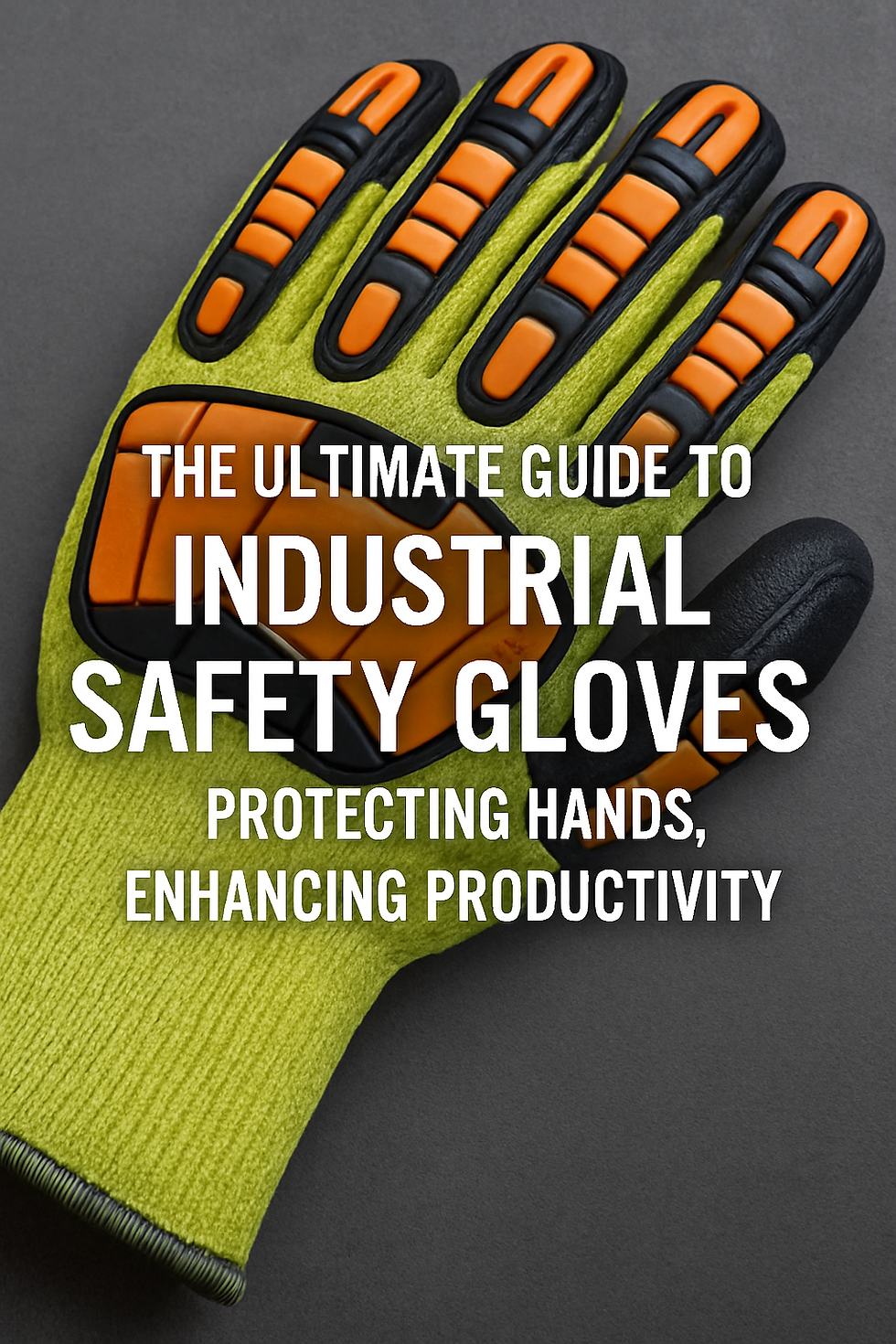
In any industrial environment, the hands are among the most frequently used—and most vulnerable—parts of the body. From handling sharp objects and hazardous chemicals to operating heavy machinery, workers are exposed to numerous risks daily. This is where industrial safety gloves become essential, offering protection, grip, comfort, and enhanced performance.
Why Are Industrial Safety Gloves Essential?
Industrial gloves are not just protective gear—they are an integral part of workplace safety and productivity. In sectors such as construction, oil & gas, manufacturing, mining, logistics, and automotive work, the right gloves can prevent serious injuries and improve efficiency.
Top benefits include:
Protection from cuts, punctures, and abrasions
Barrier against chemicals, heat, cold, and electricity
Enhanced grip in wet or oily conditions
Impact protection to prevent crush injuries
Compliance with safety standards (ANSI, EN388, etc.)
Types of Industrial Safety Gloves
There’s no one-size-fits-all solution. Different tasks require different glove types:
Cut-Resistant Gloves Designed for sharp materials like metal, glass, or tools.
Chemical-Resistant Gloves Offer protection from acids, solvents, and hazardous liquids.
Impact-Resistant Gloves Built with materials like TPR (Thermoplastic Rubber) to protect against blunt force injuries.
Heat-Resistant Gloves Essential for welding, foundries, and high-temperature operations.
Electrical Insulating Gloves Insulate against electric shocks for electrical and utility work.
Disposable Gloves Ideal for hygiene-focused environments like healthcare and food processing.
What to Look for in High-Quality Industrial Gloves
Choosing the right safety glove involves assessing:
Hazard Type: Mechanical, chemical, thermal, or electrical
Dexterity Requirements: For handling small or precise components
Durability & Material: Nitrile, latex, leather, Kevlar, TPR, etc.
Comfort & Fit: For long working hours
Certification: EN388, ANSI/ISEA, CE-marking, etc.
Featured Product Example: Anti-Impact Gloves
One excellent option for impact-heavy industries is anti-impact gloves such as those made with TPR knuckle and finger guards, reinforced palms, and high-cut resistance liners. These gloves are specifically engineered to:
Reduce the risk of crush injuries
Provide excellent grip in oily environments
Withstand tough mechanical hazards
Maintain flexibility and comfort during long shifts
Ideal for construction workers, oil & gas operators, heavy machinery handlers, and more.
Why Investing in the Right Gloves Matters
Using inadequate or poorly designed gloves can lead to:
Hand fatigue and reduced productivity
Serious injuries, leading to downtime and compensation costs
Non-compliance with safety regulations
Reduced employee morale and trust
On the other hand, high-quality safety gloves contribute to:
✅ Fewer workplace incidents✅ Greater job efficiency✅ Regulatory compliance✅ Long-term cost savings
Conclusion
Whether handling corrosive chemicals, high-heat equipment, or heavy tools, industrial safety gloves are your frontline defense against injury. By selecting the right glove for each task and ensuring proper usage, companies can protect their workforce, improve performance, and uphold the highest safety standards.
Tags: industrial safety gloves, anti-impact gloves, cut-resistant gloves, chemical-resistant gloves, TPR gloves, PPE, workplace safety, hand protection


Comments