Importance of Eye Protection in Industrial Workplaces
- neoflex52
- Dec 2, 2025
- 2 min read

Updated: Jan 16
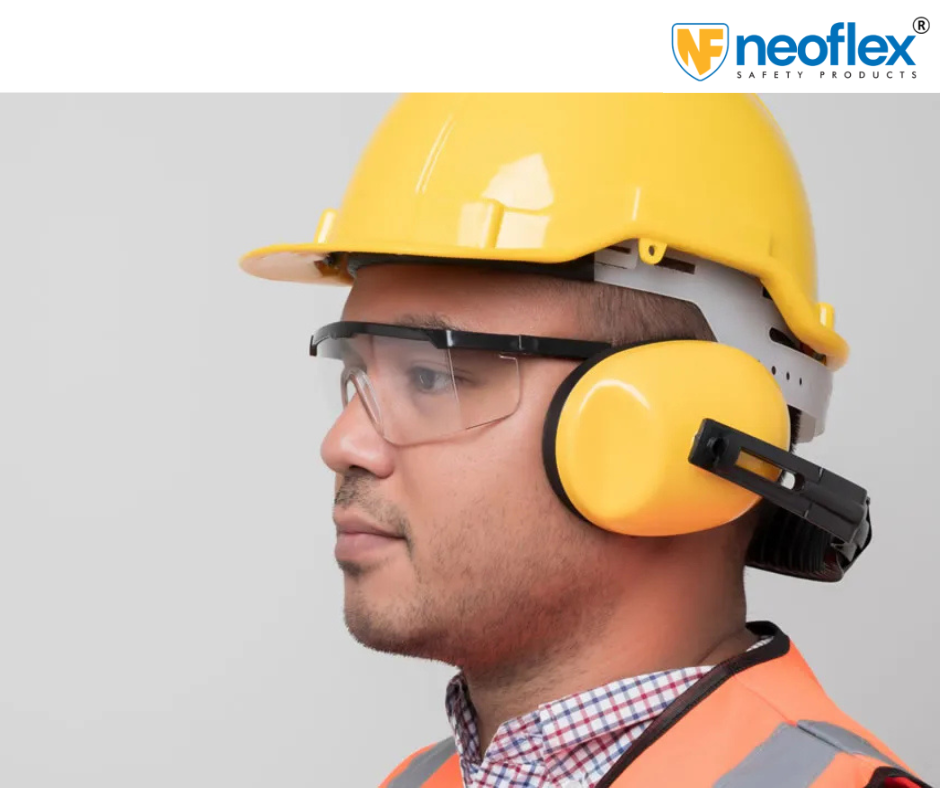
In industrial workplaces, employee safety is a top priority, and one of the most vulnerable parts of the human body is the eye. Every day, thousands of workers worldwide face risks such as flying debris, chemicals, heat, and radiation—making proper eye protection not just important but essential. In countries with growing industrial sectors , ensuring compliance with safety standards and using certified protective eye equipment can significantly reduce workplace injuries.
1. Why Eye Protection Matters
The eyes are extremely sensitive organs, and even a small particle can cause serious and permanent damage. In industrial environments—such as construction sites, manufacturing plants, workshops, and chemical facilities—hazards are unavoidable. Eye injuries can lead to long-term vision problems, loss of productivity, and financial costs for both employees and employers.
Protective eyewear acts as the first line of defense, shielding the eyes from high-risk exposures and allowing workers to perform confidently and safely.
2. Common Eye Hazards in Industrial Settings
Industrial workplaces expose workers to multiple types of hazards, including:
Flying particles: Dust, metal fragments, wood chips, and concrete debris
Chemical splashes: Acids, cleaning agents, solvents, and gases
Radiation: Welding flash, UV rays, infrared radiation
Heat exposure: Molten metal, sparks, extreme temperatures
Biological contaminants: In medical or laboratory-related industries
These risks highlight the necessity of wearing specialized protective gear designed for specific hazards.
3. Types of Eye Protection Equipment Used in Industries
Different tasks require different types of protection:
Safety Glasses: Ideal for general protection against low-impact hazards
Safety Goggles: Provide a sealed fit against dust, chemicals, and splashes
Face Shields: Protect against high-impact particles, heat, and chemical exposure
Welding Helmets: Shields eyes from intense light, sparks, and radiation
UV-Protection Eyewear: Recommended for outdoor industrial work
Choosing the right equipment ensures maximum protection and regulatory compliance.
4. Benefits of Using Eye Protection in the Workplace
Investing in quality eye protection brings several advantages:
Reduced Injury Rates: Minimizes accidents and long-term vision complications
Enhanced Productivity: Workers feel safer and more confident
Regulatory Compliance: Meets safety standards and avoids legal penalties
Lower Healthcare Costs: Prevents expensive treatments and rehabilitation
Improved Workplace Reputation: Shows commitment to employee health and safety
Eye protection is a cost-effective safety measure that benefits everyone.
5. The Role of Safety Standards and Training
Following safety standards such as ANSI, EN166, and regional safety regulations ensures that equipment meets quality benchmarks. Industrial workplaces must also comply with the Ministry of Labour and HSE guidelines, which emphasize:
Regular risk assessments
Proper training on equipment usage
Periodic maintenance and replacement
Mandatory use of appropriate protective gear
A strong safety culture, supported by training and supervision, significantly reduces workplace risks.
6. Final Thoughts
Eye protection in industrial workplaces is not optional—it is a critical safeguard that prevents life-changing injuries and ensures smooth, safe operations. Employers must take the initiative to provide certified eye protection equipment, enforce safety protocols, and educate workers about the importance of eye safety. With the right measures in place, industrial environments can become safer, more productive, and more compliant with regulatory standards.


Comments