Importance of Eye Protection Equipment in Industrial Workplaces
- neoflex52
- Feb 19
- 4 min read

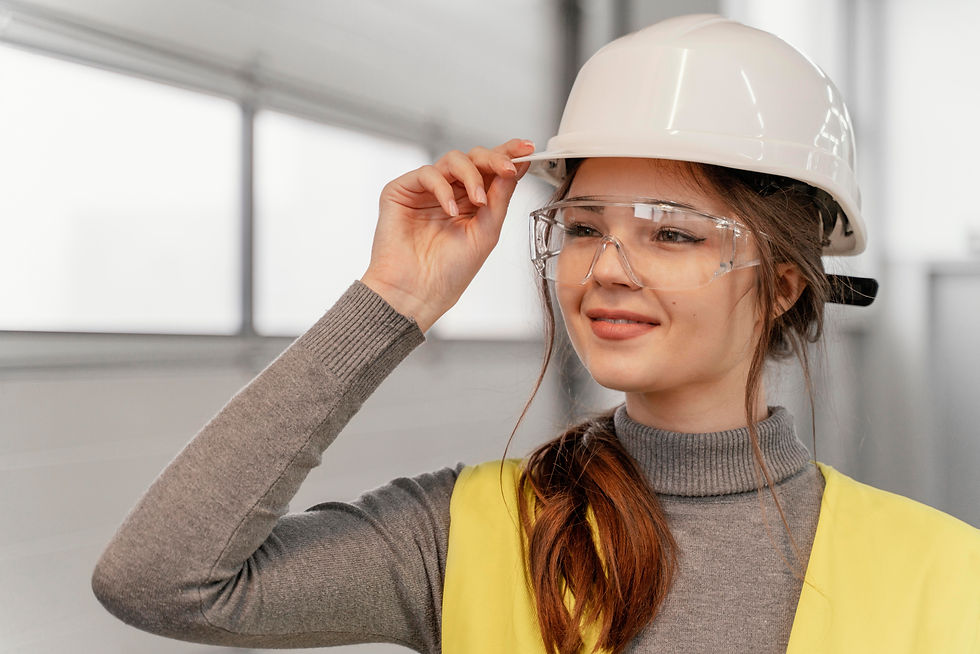
Industrial workplaces are dynamic, high-risk environments where employees are exposed to various hazards daily. From flying debris and chemical splashes to intense light radiation and dust particles, the risk of eye injuries is significant across sectors such as construction, manufacturing, oil and gas, welding, and laboratories. Eye protection equipment plays a critical role in preventing injuries, maintaining productivity, and ensuring compliance with safety regulations.
Protecting workers’ vision is not only a legal and ethical responsibility but also a key factor in maintaining operational efficiency. A single eye injury can result in temporary or permanent vision loss, medical expenses, downtime, and even legal consequences for employers. Investing in high-quality eye protection equipment is therefore essential for every industrial workplace.
1. Preventing Serious Eye Injuries
The primary purpose of eye protection equipment is to prevent injuries. Industrial environments commonly expose workers to:
Flying particles and metal fragments
Chemical splashes
Dust and fine debris
Sparks and heat
Harmful radiation from welding
Pressurized gases
Without proper protection, these hazards can cause corneal abrasions, chemical burns, retinal damage, or even blindness. Safety glasses, goggles, and face shields act as a protective barrier, reducing the risk of such injuries.
Many eye injuries occur within seconds and can have lifelong consequences. Proper eye protection dramatically lowers the likelihood of severe damage.
2. Ensuring Workplace Safety Compliance
Industrial workplaces are subject to strict occupational health and safety regulations. Regulatory authorities require employers to provide appropriate personal protective equipment (PPE), including eye protection, when hazards are present.
Compliance with safety standards helps organizations:
Avoid legal penalties
Reduce compensation claims
Maintain safety certifications
Improve audit performance
Providing certified eye protection equipment demonstrates a company’s commitment to employee welfare and regulatory compliance.
3. Reducing Workplace Accidents and Downtime
Eye injuries can lead to temporary or permanent absence from work. Even minor injuries may require medical treatment and recovery time, disrupting productivity.
When workers are equipped with proper eye protection:
Fewer accidents occur
Downtime is minimized
Production schedules remain stable
Replacement and training costs are reduced
By preventing injuries, companies maintain smoother operations and avoid costly interruptions.
4. Boosting Employee Confidence and Productivity
Workers who feel safe are more confident and focused. If employees constantly worry about potential hazards, their concentration may decrease, increasing the risk of mistakes.
High-quality eye protection equipment:
Enhances visibility and clarity
Reduces glare and eye strain
Provides comfort during long shifts
Supports better task performance
Comfortable, well-fitted safety eyewear ensures that employees can perform their duties efficiently without distraction.
5. Protection Against Chemical Hazards
In industries involving chemical handling, laboratories, or cleaning operations, chemical splashes pose a major risk to eye safety. Even small amounts of corrosive substances can cause severe burns and permanent damage.
Chemical-resistant goggles and face shields:
Provide full coverage around the eyes
Prevent liquids from entering from the sides
Offer tight sealing for maximum protection
Selecting the right type of eye protection based on the hazard type is essential for effective prevention.
6. Shielding from Impact and Flying Debris
Construction sites, metal workshops, and manufacturing plants often involve cutting, grinding, drilling, or hammering operations. These processes generate flying particles that can strike the eyes at high speeds.
Impact-resistant safety glasses are designed with:
Polycarbonate lenses
Reinforced frames
Anti-shatter properties
These features help protect against sudden impacts and reduce the severity of injuries.
7. Protection from Radiation and Intense Light
Welding and similar processes emit harmful ultraviolet (UV) and infrared (IR) radiation. Prolonged exposure can lead to conditions such as photokeratitis (welder’s flash) and long-term vision damage.
Specialized welding helmets and tinted safety lenses:
Filter harmful radiation
Reduce glare
Protect against sparks and heat
Properly rated eye protection equipment is essential in environments involving intense light exposure.
8. Preventing Long-Term Vision Problems
Eye injuries are not always immediate or dramatic. Continuous exposure to dust, bright lights, or chemicals can lead to long-term vision problems.
Chronic exposure may result in:
Eye irritation
Dry eyes
Reduced vision clarity
Permanent retinal damage
Regular use of protective eyewear significantly lowers the risk of cumulative damage over time.
9. Improving Workplace Safety Culture
The consistent use of eye protection equipment fosters a strong safety culture within an organization. When management prioritizes PPE, employees are more likely to follow safety protocols.
Promoting eye protection:
Encourages responsible behavior
Reinforces company safety policies
Demonstrates leadership commitment
Builds team accountability
A workplace where safety is visibly prioritized tends to experience fewer accidents overall.
10. Cost-Effective Safety Investment
Compared to the cost of medical treatment, legal claims, and lost productivity, eye protection equipment is a relatively low-cost investment.
Benefits include:
Reduced insurance premiums
Lower compensation expenses
Fewer medical claims
Long-term cost savings
Preventive safety measures are always more affordable than corrective actions.
11. Comfort and Modern Design Improvements
Modern eye protection equipment is designed for both safety and comfort. Features such as anti-fog coatings, anti-scratch lenses, adjustable straps, and lightweight materials enhance usability.
Comfort-focused features include:
Breathable designs
Soft nose pads
Secure yet flexible frames
Clear, distortion-free lenses
When protective eyewear is comfortable, employees are more likely to wear it consistently.
12. Customization for Industry-Specific Needs
Different industries require different types of eye protection. For example:
Oil and gas industries require flame-resistant protective eyewear
Laboratories need chemical splash goggles
Construction sites require impact-resistant safety glasses
Electrical workers need arc-flash protection
Choosing industry-specific eye protection ensures maximum safety and effectiveness.
13. Enhancing Corporate Reputation
Companies that prioritize worker safety build a positive reputation among clients, partners, and employees. A strong safety record reflects professionalism and responsibility.
Providing proper eye protection:
Demonstrates corporate accountability
Builds trust with stakeholders
Improves employee retention
Strengthens brand image
Safety-conscious organizations are often viewed as reliable and ethical.
14. Emergency Preparedness
Accidents can happen despite preventive measures. Having appropriate eye protection readily available reduces the severity of unexpected incidents.
Quick access to protective equipment during hazardous tasks ensures workers are prepared before exposure occurs.
Conclusion
Eye protection equipment is an essential component of workplace safety in industrial environments. From preventing severe injuries and ensuring regulatory compliance to improving productivity and boosting employee confidence, its importance cannot be overstated.
Industrial hazards are unavoidable in many sectors, but eye injuries are largely preventable with the right protective measures. By investing in certified, high-quality eye protection equipment and encouraging consistent usage, organizations safeguard their workforce, reduce operational risks, and create a safer, more productive work environment.
Protecting vision is protecting productivity, safety, and the future of every worker. Eye protection is not optional—it is a fundamental responsibility in every industrial workplace.


Comments