How to Choose the Right Protective Hand Gloves for Your Industry
- neoflex52
- Nov 13, 2025
- 4 min read

In today’s industrial environment, safety isn’t optional — it’s a necessity. Every year, thousands of hand-related injuries occur due to inadequate protection or incorrect glove selection. Whether it’s a chemical plant, construction site, or healthcare facility, hands are constantly exposed to various hazards such as cuts, burns, and chemical exposure.
Choosing the right protective hand gloves for your specific industry is critical. The right pair not only shields against injury but also improves comfort, productivity, and compliance with safety regulations. This article will guide you through the key factors in selecting the perfect hand protection for your workplace needs.
1. Understanding Industry-Specific Hand Protection Needs
Each industry comes with unique risks, requiring specific glove types. Understanding these requirements helps in making the best decision.
1.1 Manufacturing and Assembly
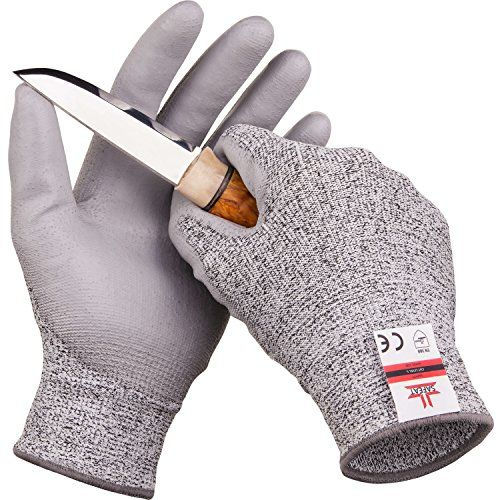
Workers handle sharp tools, metals, and machinery components that can cause cuts and abrasions. Cut-resistant gloves made from Kevlar or HPPE (High-Performance Polyethylene) are essential. They offer durability, grip, and flexibility while reducing injury risks.
1.2 Chemical and Pharmaceutical Industries
Chemical handlers face exposure to corrosive or toxic substances. Chemical-resistant gloves made from nitrile, neoprene, or butyl rubber protect against solvents, acids, and oils. Selecting gloves with proper chemical permeability ratings is vital.
1.3 Construction and Heavy Engineering
In construction, gloves must withstand abrasion, punctures, and vibration. Leather gloves or reinforced fabric gloves are preferred for grip and durability. Workers handling concrete or rebar should use water-resistant or insulated gloves.
1.4 Electrical and Utility Work
Electricians and line workers face electrocution risks. Insulated rubber gloves rated for specific voltage levels prevent shocks. These gloves should comply with ASTM D120 or EN 60903 standards.
1.5 Food Processing and Healthcare
In these sectors, hygiene and contamination prevention are top priorities. Disposable latex, nitrile, or vinyl gloves provide a barrier against bacteria and bodily fluids. Powder-free, hypoallergenic options are ideal for long wear.
1.6 Oil, Gas, and Mining
Workers in these industries face exposure to harsh conditions and impact hazards. Impact-resistant gloves with thermoplastic rubber (TPR) reinforcements protect fingers and knuckles while maintaining dexterity.
2. Understanding Glove Materials and Their Applications
Selecting the right glove material is crucial for effective protection.
Material | Protection Type | Industries |
Leather | Heat, abrasion, and puncture resistance | Construction, welding |
Nitrile | Chemical and oil resistance | Chemical, automotive |
Latex | Biological and light chemical protection | Healthcare, cleaning |
Vinyl | Low-cost light protection | Food service, laboratories |
Kevlar | Cut and heat resistance | Manufacturing, glass handling |
Neoprene | Resistance to acids and solvents | Chemical industries |
Butyl Rubber | Gas and vapor resistance | Chemical and pharma sectors |
Understanding these materials helps match gloves to specific hazard types, maximizing protection and longevity.
3. Compliance and Safety Standards
3.1 OSHA Regulations
The Occupational Safety and Health Administration (OSHA) requires employers to provide hand protection suitable for workplace hazards. Non-compliance can result in severe penalties and accidents.
3.2 ANSI/ISEA 105
This U.S. standard classifies gloves based on cut, puncture, and abrasion resistance. It helps safety officers select gloves appropriate for each job’s risk level.
3.3 EN Standards
EN 388: Mechanical protection (cut, abrasion, puncture resistance).
EN 374: Chemical and microbial protection.
EN 407: Thermal protection (heat and flame).Compliance with these standards ensures that gloves meet global safety benchmarks.
4. Key Factors in Selecting Protective Hand Gloves
4.1 Identify Hazards
Conduct a hazard assessment to determine the potential risks: mechanical, thermal, chemical, or biological. Choose gloves designed to address those specific threats.
4.2 Consider Comfort and Fit
Poorly fitting gloves can cause fatigue or reduced dexterity. Gloves should fit snugly without restricting movement. Breathable materials improve comfort during long hours.
4.3 Evaluate Durability
Gloves should withstand the job’s intensity without frequent replacement. Durable materials like leather or Kevlar offer long-term protection and value for money.
4.4 Check for Grip and Dexterity
Workers in handling or precision-based tasks require excellent grip and finger flexibility. Coated gloves with textured surfaces are ideal for wet or oily conditions.
4.5 Understand Glove Ratings
Look for glove markings and symbols indicating cut, puncture, or chemical resistance levels. These ratings guide you toward certified protection.
4.6 Cost vs. Safety
While affordability is important, compromising on quality can lead to costly injuries. Prioritize certified, high-quality gloves that offer both safety and durability.
5. Maintenance and Replacement Best Practices
To ensure gloves remain effective, follow these maintenance steps:
Inspect regularly for wear, tears, or punctures.
Clean according to manufacturer instructions.
Replace immediately if compromised.
Store properly in cool, dry places away from sunlight and chemicals.
Proper maintenance extends glove life and ensures continuous safety performance.
6. Common Mistakes in Glove Selection
Even experienced safety managers can make mistakes when choosing gloves. Some common errors include:
Selecting gloves based on cost instead of risk level.
Ignoring comfort and ergonomic factors.
Using one glove type for all tasks.
Neglecting periodic training and awareness programs.Avoiding these pitfalls improves both compliance and employee safety.
7. Training and Employee Awareness
Providing protective gloves isn’t enough — employees must know how to use them properly.Training programs should cover:
Correct glove donning and removal.
Recognizing glove limitations.
Proper disposal of contaminated gloves.
Importance of reporting wear or damage.
Regular awareness sessions encourage consistent PPE usage and foster a culture of safety.
8. Emerging Trends in Protective Gloves
8.1 Smart Gloves
Modern gloves integrate sensors that detect temperature, pressure, or hazardous gases, alerting users to danger in real-time.
8.2 Sustainable Gloves
Eco-conscious companies are adopting biodegradable materials and recyclable glove options to reduce environmental impact.
8.3 Multi-Layer Protection
Advanced gloves combine cut, chemical, and heat protection for multi-hazard environments.
8.4 Ergonomic and Breathable Designs
Lightweight materials and improved ventilation ensure comfort, encouraging prolonged wear and compliance.
9. Benefits of Selecting the Right Gloves
Choosing suitable gloves results in:
Reduced injury rates and downtime.
Improved employee productivity and confidence.
Regulatory compliance and lower liability.
Long-term cost savings due to fewer accidents and replacements.
Enhanced brand reputation as a safety-conscious employer.
10. Case Example: Manufacturing Safety Improvement
A mid-sized automotive factory faced frequent hand injuries due to improper glove usage. After consulting safety experts, the company introduced ANSI-rated cut-resistant gloves and trained employees on proper maintenance.Results:
Hand injuries dropped by 75%.
Productivity rose by 12%.
Compliance audits scored higher safety ratings.
This demonstrates how thoughtful glove selection transforms workplace safety.
Conclusion
Protective hand gloves are not one-size-fits-all solutions. The ideal glove depends on your industry, tasks, and risk level. Understanding hazards, compliance standards, and material properties ensures employees are well-protected while maintaining efficiency.
Investing in the right gloves isn’t just a safety measure — it’s a commitment to your workforce’s health and your company’s long-term success. The right hand protection keeps your employees productive, confident, and most importantly, safe.


Comments