Common Workplace Eye Injuries and Prevention Tips
- neoflex52
- Apr 10
- 2 min read

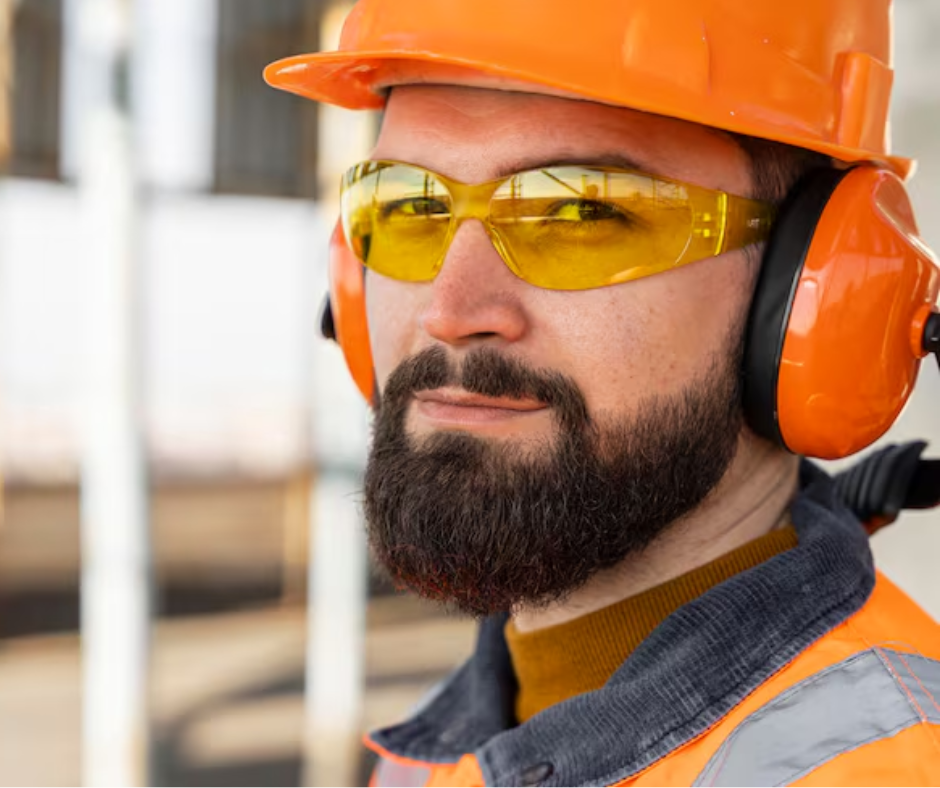
Workplace eye injuries are more common than many realize, especially in industries like construction, manufacturing, and healthcare. These injuries can lead to temporary or permanent vision loss if not properly addressed. Using the right Eye Protection Equipment and following safety practices can significantly reduce the risk of eye-related accidents.
Common Workplace Eye Injuries
1. Foreign Particles in the Eye
Dust, metal fragments, wood chips, and other debris can enter the eyes during work, causing irritation or serious damage.
2. Chemical Burns
Exposure to harmful chemicals or liquids can lead to severe eye irritation, burns, or long-term damage.
3. Impact Injuries
Flying objects or accidental contact with tools can result in bruises, cuts, or trauma to the eye.
4. Radiation Injuries
Welding, UV rays, and laser exposure can damage the eyes if proper protection is not used.
5. Digital Eye Strain
Prolonged screen time in office environments can cause eye fatigue, dryness, and discomfort.
Importance of Eye Protection Equipment
Using proper Eye Protection Equipment is the most effective way to prevent workplace injuries. Safety goggles, face shields, and protective glasses act as a barrier against hazards, ensuring worker safety and compliance with safety standards.
Prevention Tips for Workplace Eye Safety
1. Wear Appropriate Protective Gear
Always use the correct Eye Protection Equipment based on the job and potential risks.
2. Maintain Clean Work Environments
Keeping workspaces clean reduces the chances of dust and debris entering the eyes.
3. Follow Safety Guidelines
Adhere to workplace safety protocols and training to minimize risks.
4. Use Proper Handling Techniques
Handle chemicals and tools carefully to avoid accidents.
5. Take Breaks from Screens
For office workers, regular breaks help reduce digital eye strain.
6. Regular Eye Checkups
Routine eye examinations help detect and address issues early.
Choosing the Right Eye Protection Equipment
Selecting the right gear depends on the work environment:
Safety glasses for general protection
Goggles for dust and chemical exposure
Face shields for high-impact tasks
Specialized lenses for UV or radiation protection
Conclusion
Workplace eye injuries can be serious, but they are largely preventable with the right precautions. Investing in quality Eye Protection Equipment and following safety practices can protect workers, improve productivity, and ensure a safer working environment for everyone.


Comments