Choosing the Right Eye Protection Equipment for Industrial and Professional Use
- neoflex52
- Jan 8
- 4 min read

In any industrial or professional setting, eye safety is often underestimated until an accident occurs. Employees face numerous hazards, from flying debris on construction sites to chemical splashes in laboratories, as well as dust, smoke, and harmful light exposure. These risks are not limited to industrial sites; even healthcare, automotive workshops, and research facilities expose workers to potential vision hazards. Using the correct eye protection equipment is essential to safeguard vision, ensure regulatory compliance, and maintain workplace productivity. High-quality protective gear is not an optional expense—it is an investment in the health, efficiency, and confidence of employees.
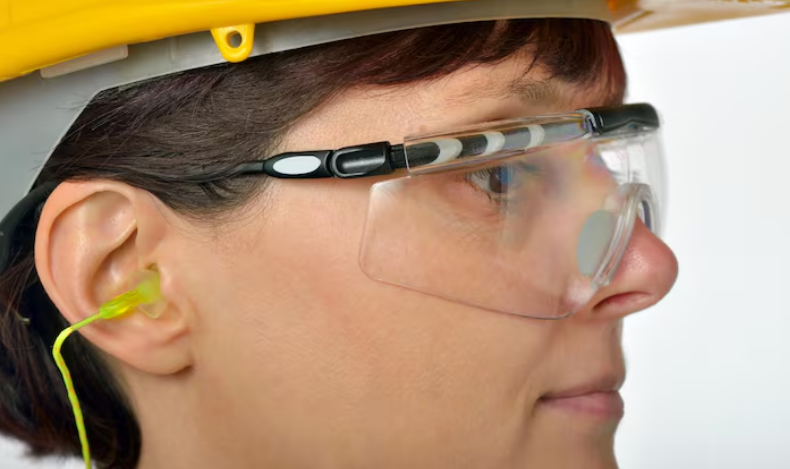
Understanding Workplace Eye Hazards
Every professional environment has unique hazards, and understanding them is key to selecting the right protection. Flying particles from grinding, cutting, or sanding tasks are common causes of workplace eye injuries, often resulting in long-term damage. Chemical splashes, whether from laboratory experiments, cleaning agents, or industrial processes, can cause severe burns or permanent vision impairment. Dust and fine particulate matter, though sometimes overlooked, can irritate the eyes and reduce visual clarity over time. Additionally, exposure to harmful light, ultraviolet radiation, or sparks from welding presents invisible but dangerous threats that require specialized protective gear. Without appropriate protective eye wear equipment, even minor incidents can have serious consequences, leading to lost workdays and costly medical treatments.
Selecting the Right Type of Eye Protection
Eye protection is not a one-size-fits-all solution. Different tasks demand different equipment. Safety glasses are suitable for low-impact hazards and provide comfort for extended wear, making them ideal for general tasks in offices or light industrial areas. For chemical handling, dusty environments, or laboratory work, sealed goggles are more effective as they prevent liquids, particles, and fumes from reaching the eyes. When full-face protection is necessary, face shields offer coverage against high-velocity impacts or chemical splashes and are often worn in combination with goggles for maximum safety. In specialized roles such as welding or high-intensity light exposure, helmets and shields filter harmful radiation and prevent eye strain, ensuring workers can perform their tasks without risking permanent damage. Advanced lens technology, including anti-fog, scratch-resistant, and tinted options, further improves protection while increasing comfort and visibility.
Key Considerations for Choosing Protective Equipment
Selecting appropriate eye protection involves evaluating multiple factors. The first consideration is the type of hazard employees are exposed to. Equipment designed to block flying debris may not provide adequate chemical protection, so hazard-specific solutions are essential. Comfort and fit are equally important because poorly fitting equipment is less likely to be worn consistently. Adjustable straps, nose bridges, and ergonomic designs help maintain proper positioning without causing discomfort. Lens quality also plays a significant role; clear, scratch-resistant, and anti-fog lenses enhance safety and reduce the risk of accidents caused by impaired vision. Material durability ensures long-term protection, and polycarbonate or other high-impact materials can withstand rough handling while remaining lightweight. Compliance with safety standards such as OSHA, ANSI, or ISO is another critical factor, as certified equipment guarantees verified protection against workplace hazards.
The Benefits of Using Proper Eye Protection
The advantages of using correctly chosen eye protection extend far beyond immediate injury prevention. Employees who wear appropriate gear are less likely to suffer vision impairment, which directly reduces absenteeism and medical costs. Compliance with safety standards helps organizations avoid legal complications and demonstrates a commitment to worker well-being. Workers wearing comfortable, high-quality equipment can perform tasks confidently and efficiently, improving overall productivity. By investing in protective eye wear equipment, companies also strengthen their safety culture, signaling to employees that their health and comfort are priorities.
Maintenance and Longevity of Eye Protection Equipment
Even the best eye protection is only effective if properly maintained. Regular cleaning, careful inspection, and timely replacement are essential to ensuring consistent protection. Lenses should be cleaned with approved solutions to remove dust, chemicals, or smudges that can interfere with vision. Frames and straps should be checked for signs of wear, cracks, or damage, and any compromised equipment should be replaced immediately. Protective equipment stored carelessly can become scratched or misshaped, reducing effectiveness. Establishing proper maintenance routines not only preserves the integrity of the gear but also ensures employees consistently receive the protection they need during every shift.
Training and Awareness in Eye Safety
Providing protective equipment is only part of the solution. Employees must be trained to understand hazards and use equipment correctly. Training programs should include instructions on wearing and adjusting equipment, recognizing risks, reporting damaged or uncomfortable gear, and following workplace safety protocols. When employees are aware of potential dangers and know how to use eye protection equipment properly, the risk of accidents drops significantly. Consistent training reinforces the importance of eye safety and promotes a culture where health and productivity are both valued.
Industry-Specific Recommendations
Different industries require tailored eye protection strategies. In construction and manufacturing, protection from high-velocity debris, sparks, and dust is essential. Laboratory and chemical industries prioritize sealed goggles and splash-resistant shields. Healthcare professionals benefit from medical-grade, disposable eye protection with anti-fog features. Welding, electrical, and high-UV tasks require specialized helmets and tinted lenses to prevent radiation exposure. Selecting industry-appropriate protective eye wear equipment ensures that every employee receives the necessary defense against their specific hazards.
Conclusion: Prioritizing Eye Protection in the Workplace
Choosing the right eye protection equipment is not just about compliance—it is a critical investment in safety, productivity, and employee well-being. By understanding workplace hazards, selecting equipment that matches those risks, maintaining gear properly, and promoting consistent training, organizations can drastically reduce eye injuries. For workplaces looking to safeguard their employees and improve operational efficiency, providing certified and reliable protective eye wear equipment is an essential step. Protecting vision is protecting productivity, compliance, and long-term workforce health.


Comments