Building a Safety Culture Through Proper Eye Protection
- neoflex52
- Jan 30
- 3 min read

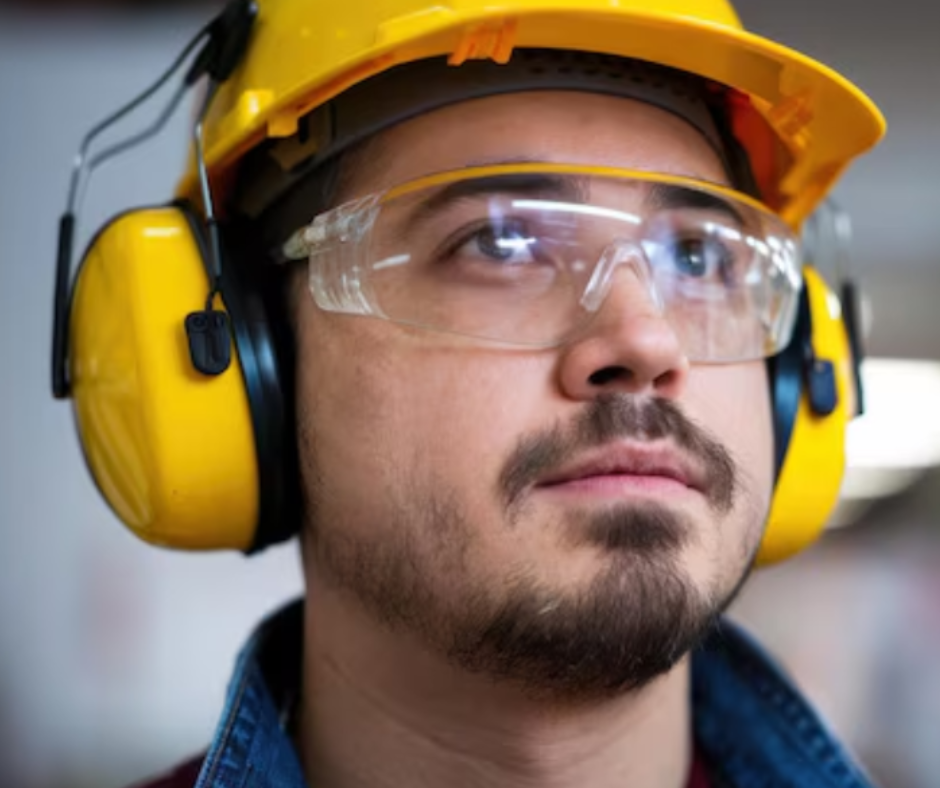
Workplace safety is not just about following rules or wearing protective gear when supervisors are watching; it is about creating a mindset where safety becomes a shared responsibility and a daily habit. One of the most overlooked yet critical aspects of this mindset is Eye Protection, as eye injuries can occur suddenly and often result in long-term damage or permanent vision loss. Building a strong safety culture means educating employees, setting clear expectations, and ensuring that everyone understands why protecting their vision is essential for both personal well-being and organizational success.
Understanding Safety Culture in the Workplace
A safety culture refers to the collective attitudes, beliefs, and behaviors that employees and management share regarding workplace safety. It goes beyond written policies and focuses on how safety is practiced in real-life situations.
A positive safety culture includes:
Employees who actively follow safety procedures without reminders
Management that prioritizes safety over productivity shortcuts
Open communication about hazards and near-miss incidents
When safety becomes part of the organizational identity, employees are more likely to take precautions seriously and look out for one another.
Why Eye Safety Deserves Special Attention
Eyes are extremely vulnerable to injury in many work environments, including construction sites, factories, laboratories, healthcare facilities, and workshops. Flying debris, chemical splashes, dust, radiation, and bright light can cause immediate harm.
Common consequences of poor eye safety include:
Temporary or permanent vision impairment
Increased medical costs and lost workdays
Reduced employee morale and confidence
Despite these risks, eye-related hazards are often underestimated, making focused awareness and education essential.
The Role of Leadership in Promoting Eye Safety
Leadership plays a critical role in shaping how safety is perceived and practiced. When managers and supervisors consistently demonstrate safe behavior, employees are more likely to follow suit.
Effective leadership actions include:
Wearing protective gear themselves during site visits
Addressing unsafe practices immediately and respectfully
Allocating resources for training and quality safety gear
When leaders treat eye safety as a priority, it sends a clear message that employee well-being matters more than speed or convenience.
Training and Awareness as Foundations of Safety Culture
Training is the backbone of any successful safety initiative. Employees need to understand not only how to protect their eyes, but also why it matters.
Key elements of effective training programs include:
Education on common eye hazards specific to job roles
Demonstrations of correct usage and handling of protective gear
Real-life examples of injuries and their long-term impact
Regular refresher sessions help reinforce good habits and keep safety awareness high, especially in high-risk environments.
Encouraging Employee Participation and Accountability
A strong safety culture thrives when employees feel responsible for their own safety and the safety of others. Encouraging participation creates ownership rather than compliance driven by fear.
Ways to promote accountability include:
Involving workers in safety discussions and risk assessments
Encouraging reporting of hazards without fear of punishment
Recognizing individuals or teams who follow safety practices consistently
When employees feel heard and valued, they are more likely to adopt protective behaviors willingly.
Integrating Eye Safety into Daily Work Practices
Safety measures are most effective when they are seamlessly integrated into everyday tasks rather than treated as additional steps. Eye safety should be part of standard operating procedures across all relevant activities.
Practical integration methods include:
Making protective gear easily accessible at workstations
Including eye safety checks in daily tool inspections
Displaying visual reminders in high-risk areas
This approach reduces resistance and ensures that safety becomes routine rather than optional.
Addressing Common Barriers to Eye Protection Compliance
Despite awareness efforts, some employees may resist wearing protective gear due to discomfort, inconvenience, or perceived low risk. Addressing these barriers is essential for long-term success.
Common challenges and solutions include:
Discomfort: Provide properly fitting and lightweight options
Fogging or visibility issues: Offer anti-fog or ventilated designs
Overconfidence: Reinforce that accidents are unpredictable
Understanding employee concerns and responding with practical solutions strengthens trust and compliance.
Measuring and Improving Safety Culture Over Time
Building a safety culture is an ongoing process that requires regular evaluation and improvement. Organizations should monitor safety performance and adapt strategies as needed.
Methods to assess progress include:
Tracking eye-related incidents and near misses
Conducting safety audits and employee feedback surveys
Reviewing training effectiveness and participation levels
Continuous improvement ensures that safety efforts remain relevant and effective as work conditions evolve.
Conclusion
Creating a strong safety culture requires commitment, communication, and consistency at every level of an organization. By prioritizing awareness, leadership involvement, employee participation, and ongoing training, businesses can significantly reduce the risk of eye injuries and foster a healthier work environment. When eye safety becomes a shared value rather than a forced rule, the workplace transforms into a space where people feel protected, respected, and empowered. Ultimately, investing in proper policies and reliable Eye Protection Equipment is not just a compliance measure—it is a long-term investment in people, productivity, and trust.


Comments